We study how cells keep traffic moving in protein homeostasis, from pre-mRNA processing through ribosome translation to folding cycles in the ER. Using Arabidopsis and the thermoacidophilic red alga Cyanidioschyzon merolae as models, we ask how cells resolve ribosome collisions on mRNA, folding overload in the ER, and other jams along the proteostasis highway, with translational potential for engineering stress-resilient crops.
Two kinds of traffic jam, one underlying problem. On the mRNA, ribosomes collide and stall (disome events); inside the ER, nascent peptides accumulate faster than the chaperone capacity can absorb (folding overload). The lab dissects how cells sense and clear these jams under environmental stress.
The Cho lab is dedicated to understanding how cells keep traffic moving in the protein homeostasis network: the flow from pre-mRNA processing and alternative splicing, through translation by ribosomes, to folding cycles in the endoplasmic reticulum. Proteostasis is the dynamic balance between protein synthesis, folding, and quality control that sustains growth, development, and survival. When ribosomes collide on mRNA, when nascent peptides overwhelm the folding capacity of the ER, or when any other step jams, cells must rapidly sense the disruption and resolve it, or growth halts. In plants, these traffic jams along the proteostasis highway are increasingly recognized as decisive checkpoints for environmental adaptation, yet how cells detect, buffer, and clear them remains poorly understood.
To address this, we use two complementary research models. Arabidopsis thaliana provides the established framework for plant development and physiology, while the thermoacidophilic red alga Cyanidioschyzon merolae offers a uniquely simple, single-copy organelle architecture. We adopt a multidisciplinary strategy that integrates ribosome profiling (Ribo-seq, Disome-seq), phosphoproteomics, lipidomics, CRISPR-Cas9 genome editing, and quantitative imaging. Through this approach, we aim to dissect how translational control, ER stress signaling, and lipid metabolism intersect to maintain proteostasis from the organelle to the whole-organism scale.
Given that protein homeostasis defects underlie crop yield loss, developmental disorders, and metabolic disease across kingdoms, our research seeks to provide mechanistic insight into how cells preserve translational fidelity and folding capacity under pressure. Ultimately, our work aspires to lay the foundation for engineering stress-resilient crops and tunable proteostasis-based platforms for biomanufacturing.
Current research directions
Investigating how ribosome collisions and translational pauses are sensed and resolved during environmental stress.
Elucidating the molecular logic of ER stress signaling.
Unraveling how membrane lipid composition modulates organelle-level proteostasis and stress adaptation.
Lab News
~ We are currently recruiting undergraduate and master's students ~
Lab established at the Bachelor Program of Biotechnology and Food Nutrition, National Taiwan University.
More news coming soon. First publications, group photos, and lab milestones will appear here.
About PI
Yueh (Ryan) Cho, Ph.D.
Assistant Professor (July 2026) · Bachelor Program of Biotechnology and Food Nutrition & Institute of Biotechnology, National Taiwan University Postdoctoral Fellow · IPMB, Academia Sinica (until June 2026) Adjunct Assistant Professor · Center for General Education, CYCU (2025–present)
Yueh received her bachelor's (2007) and master's (2009) degrees in Entomology from National Chung Hsing University, training with Dr. Kuan-Hui Lu on insulin signaling in Bactrocera dorsalis. Before returning to graduate school, she worked at the National Health Research Institutes (2009–2012) and Academia Sinica's Institute of Cellular and Organismic Biology (2012–2013). In 2013, she joined the Taiwan International Graduate Program (TIGP) at Academia Sinica and completed her PhD on endoplasmic reticulum homeostasis in plants under Dr. Kazue Kanehara at the Institute of Plant and Microbial Biology (IPMB). She continued at IPMB as a postdoctoral fellow with Dr. Kanehara (2018–2021), then joined Dr. Shu-Hsing Wu's group in June 2021, expanding her research from ER stress signaling into translational control and ribosomal phosphorylation dynamics. Since 2025, she has also served as Adjunct Assistant Professor at CYCU, teaching AI literacy to non-STEM undergraduates. In July 2026, Yueh will establish her independent laboratory at National Taiwan University. The Cho lab studies how cells keep traffic moving along the proteostasis highway under environmental stress, spanning pre-mRNA processing, ribosome dynamics on mRNA, and protein folding capacity in the ER, using Arabidopsis and the minimal eukaryote Cyanidioschyzon merolae as complementary model systems.
Plantae Fellow (selective programme)American Society of Plant Biologists (ASPB)
2018
Young Scientist FellowshipInternational Union of Biochemistry and Molecular Biology (IUBMB)
2013–2016
TIGP Entrance ScholarshipAcademia Sinica
Awards
Poster awards
2025
Golden Poster AwardInstitute of Plant and Microbial Biology, Academia Sinica
2023
Silver Poster AwardInstitute of Plant and Microbial Biology, Academia Sinica
Competition placements
2022, 2018
1st Place, Young Scientist Competition (oral), Institute-wideInstitute of Plant and Microbial Biology, Academia Sinica
2013
2nd Place, Young Scientist Competition (poster)Institute of Cellular and Organismic Biology, Academia Sinica
Travel grants
2026, 2019
Taiwan Society of Plant Biologists
2025, 2024, 2023
American Society of Plant Biologists (ASPB), USA2025: Early Career Plant Scientist Award
2023
Society for Experimental Biology (SEB), UK
2023
Foundation for the Advancement of Outstanding Scholarship (FAOS), Taiwan
2020, 2017
European Molecular Biology Organization (EMBO)
2013
Gordon Research Conference travel awardGermline Stem Cells, Hong Kong
Multiple years
NSTC / MOST and Academia Sinica travel grants, Taiwan
Lab life
Inside the lab
Organisms, assays and images from the bench — across confocal and electron microscopy, plate phenotyping and biochemistry.
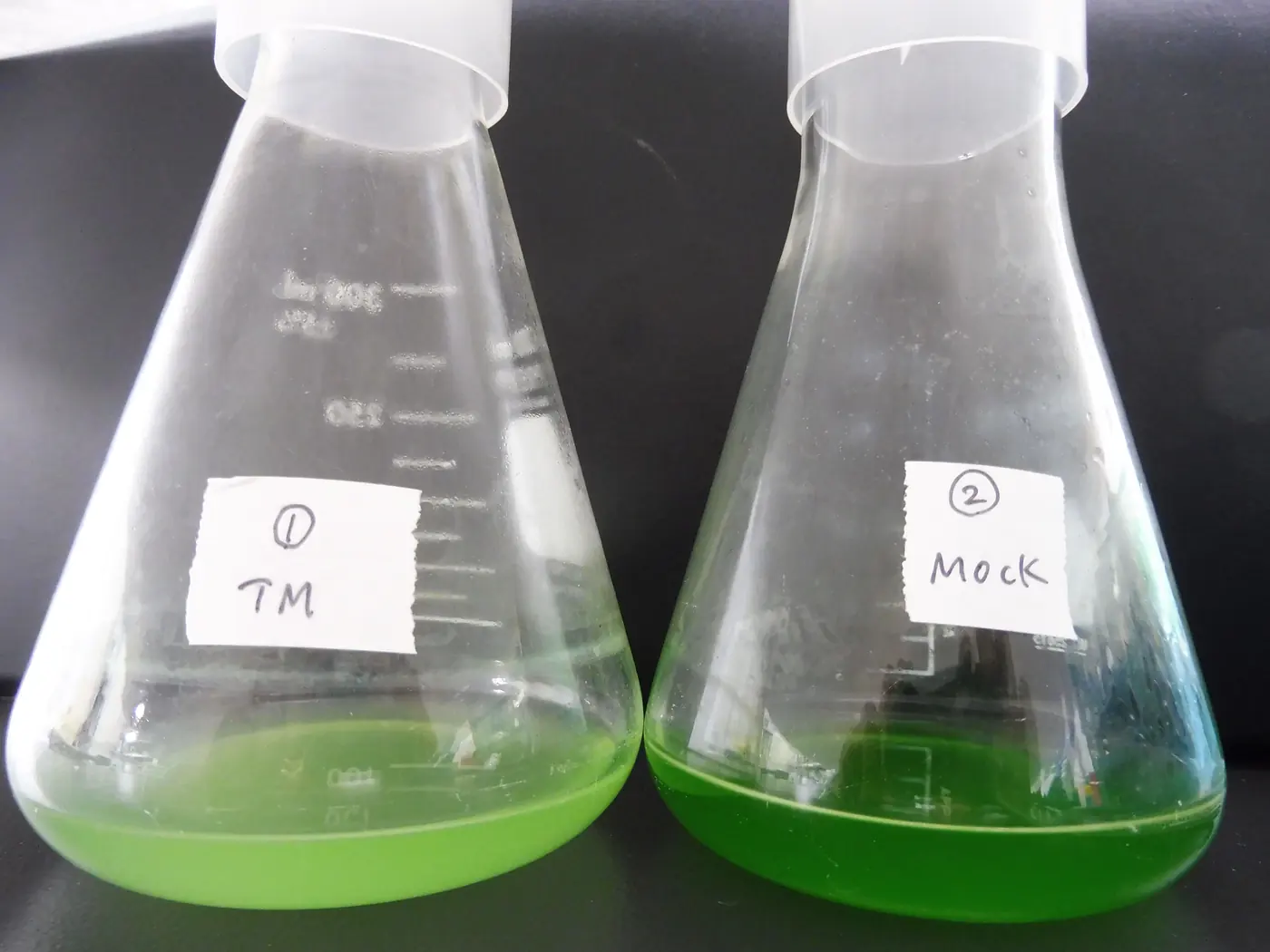
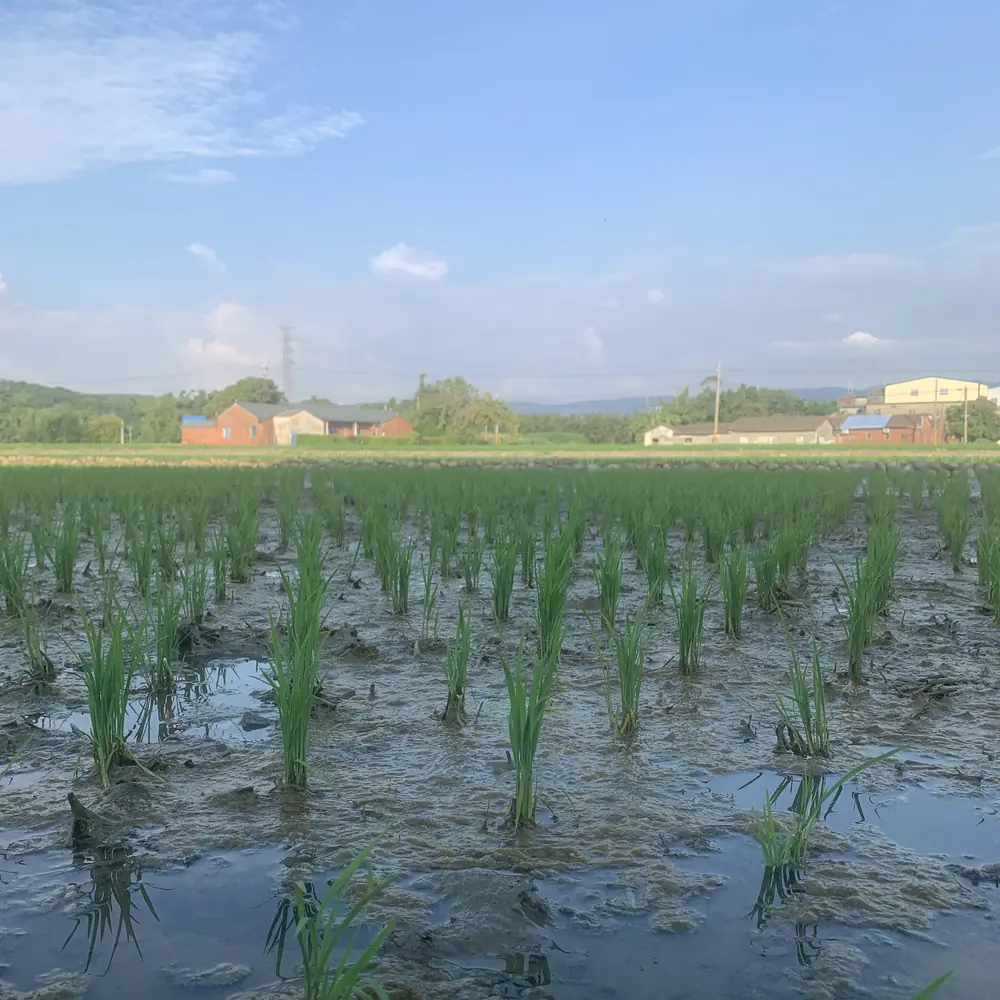
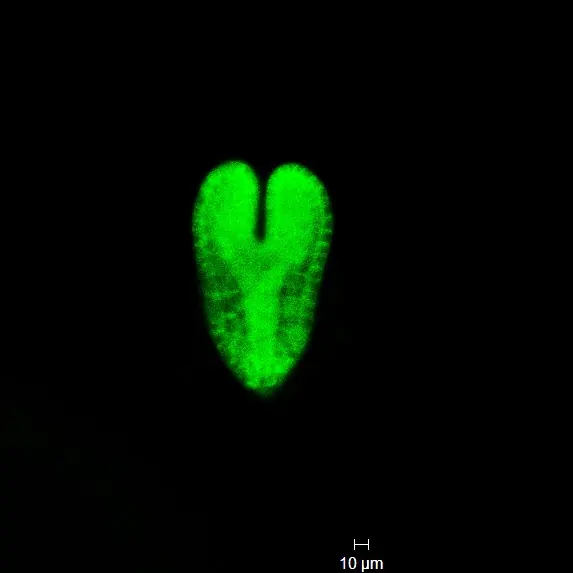
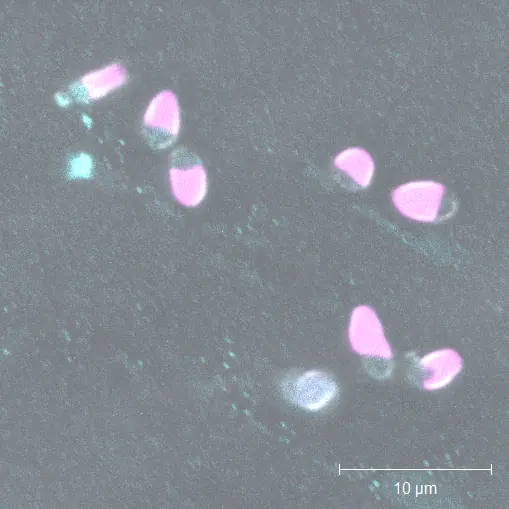
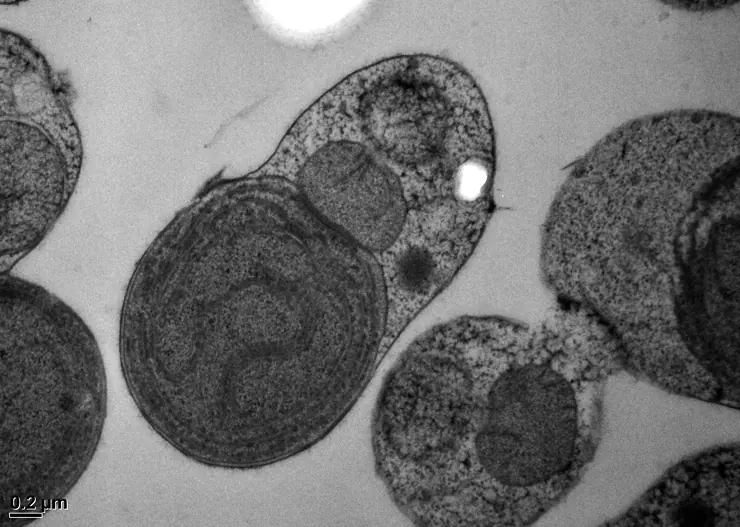
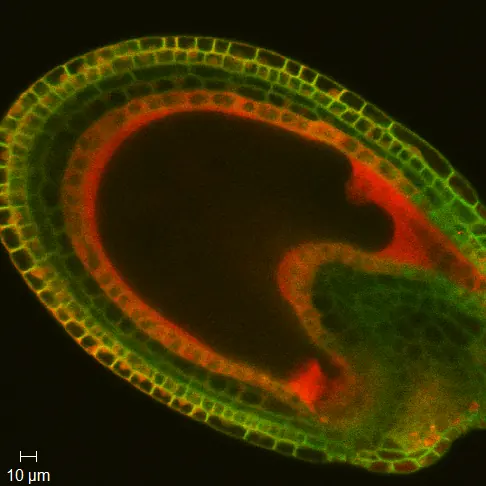
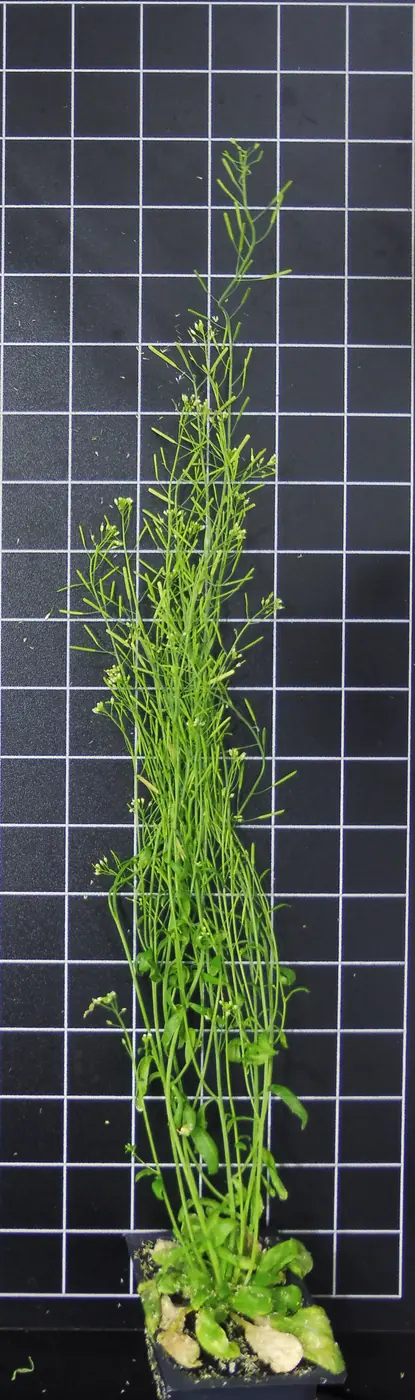
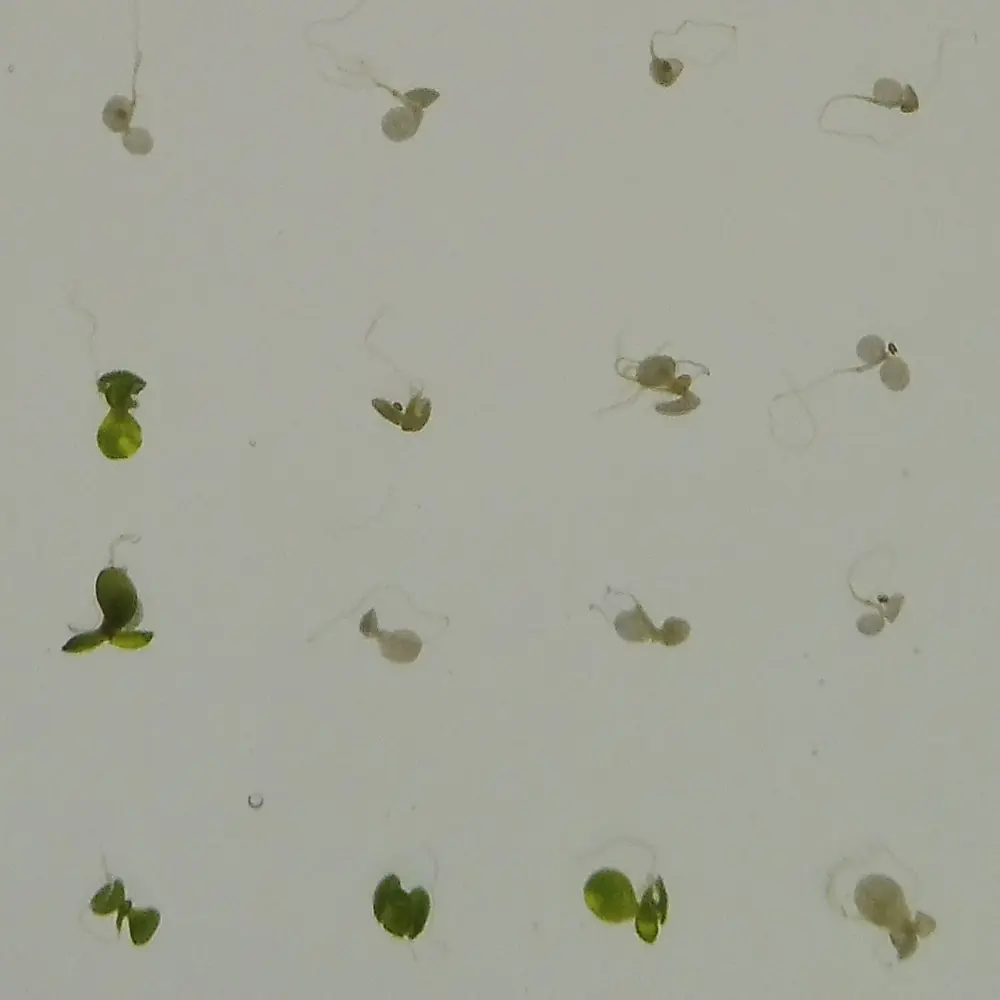
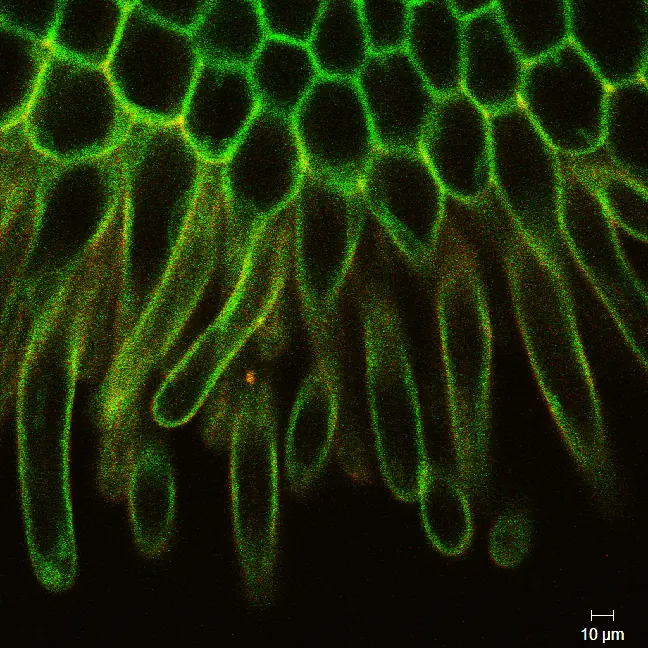
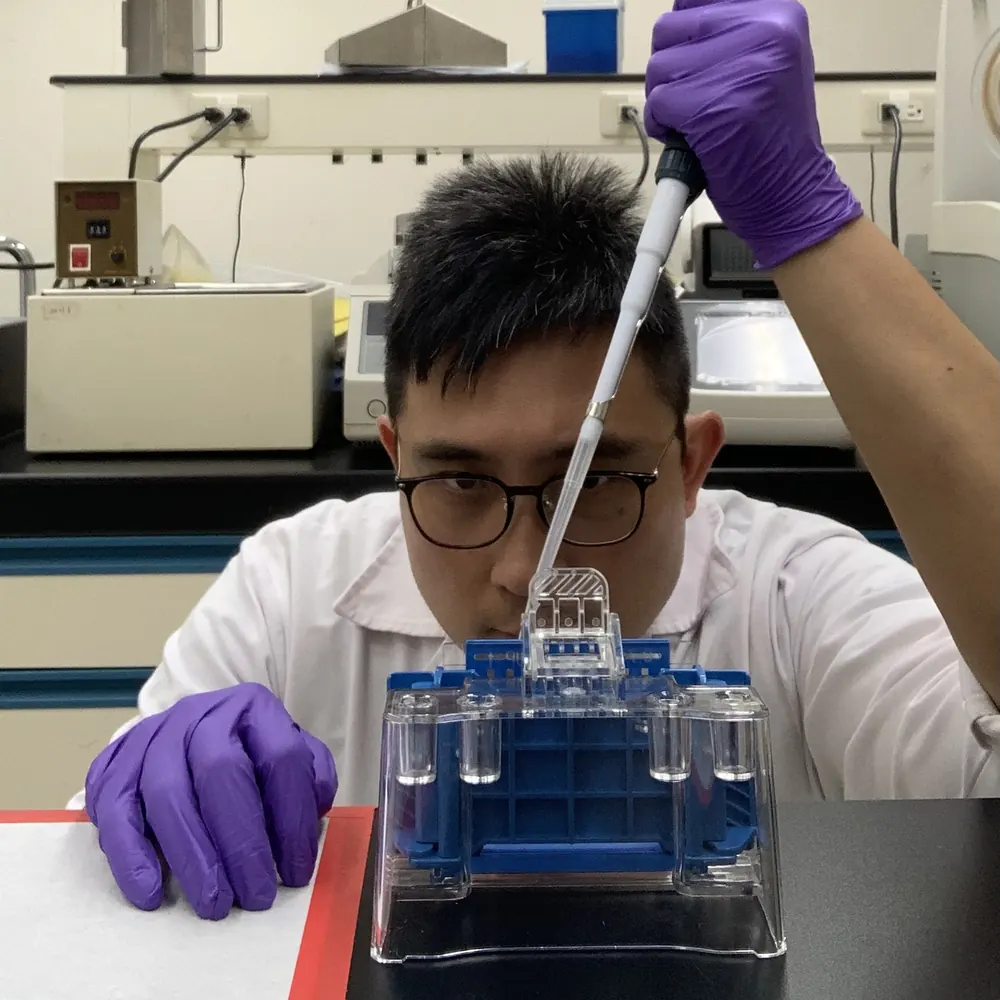
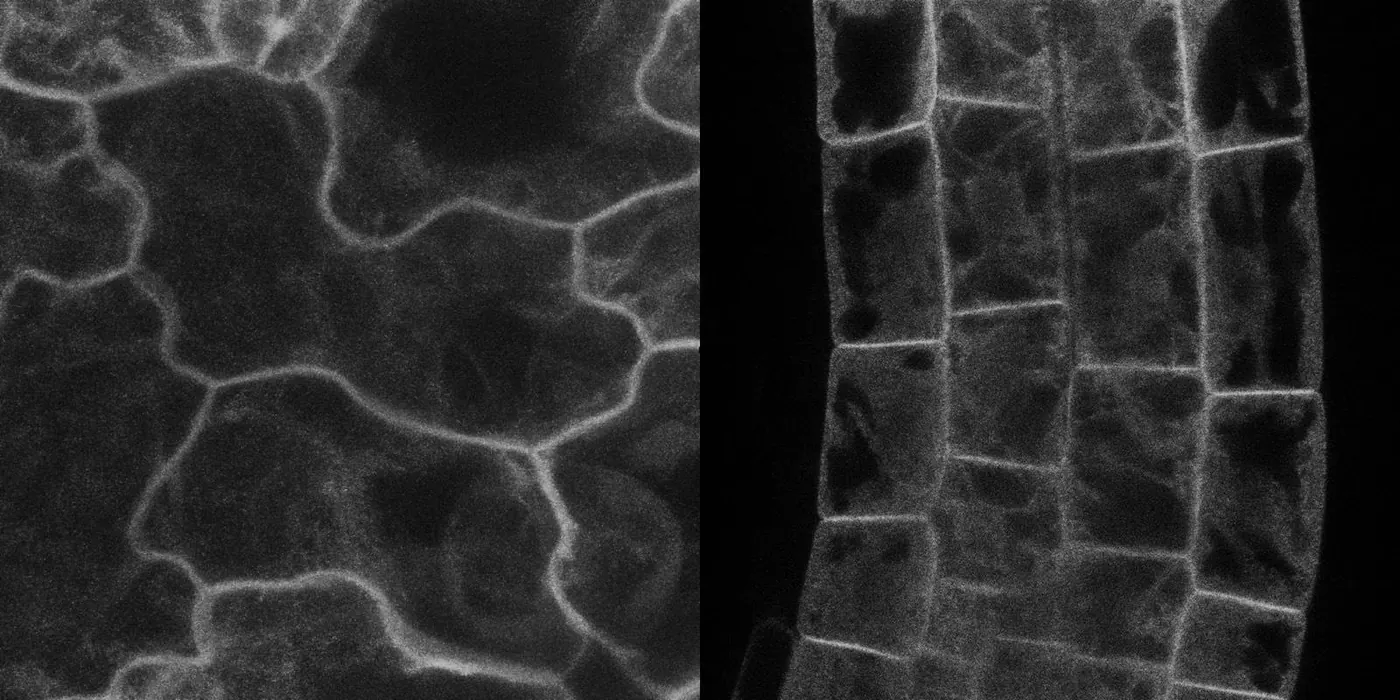
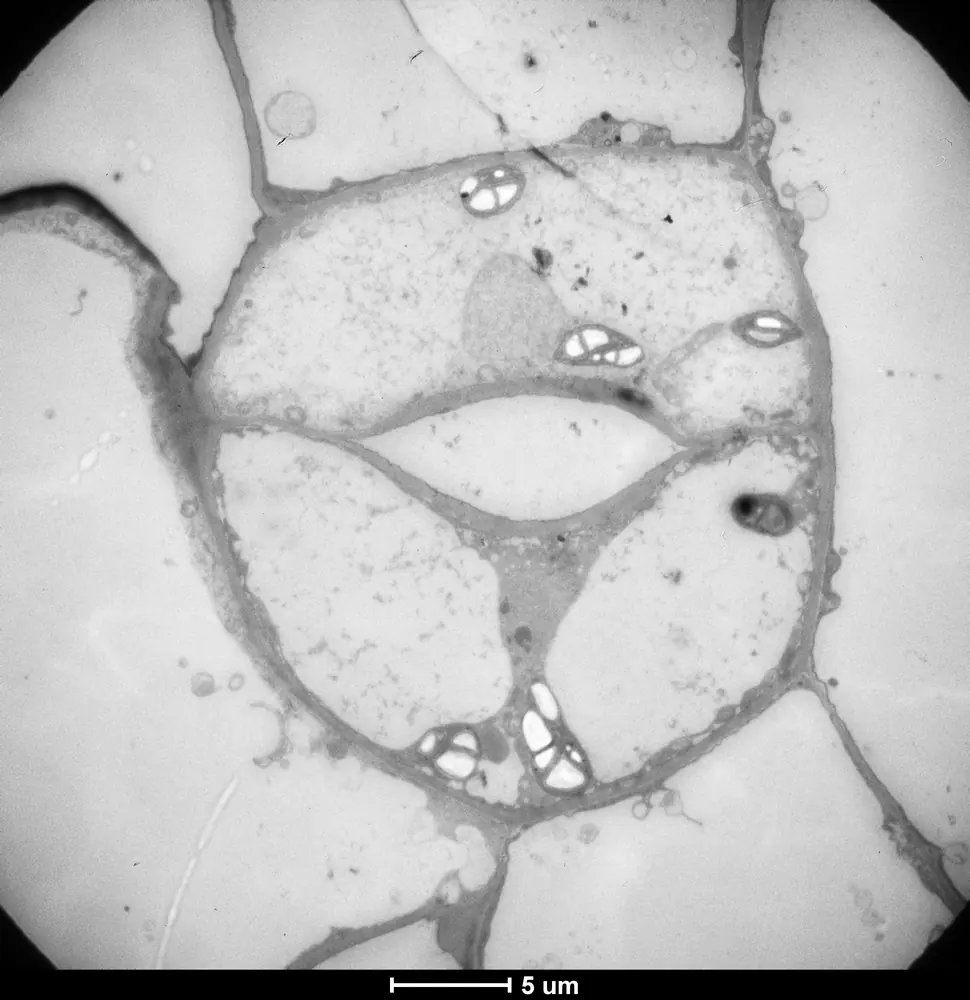
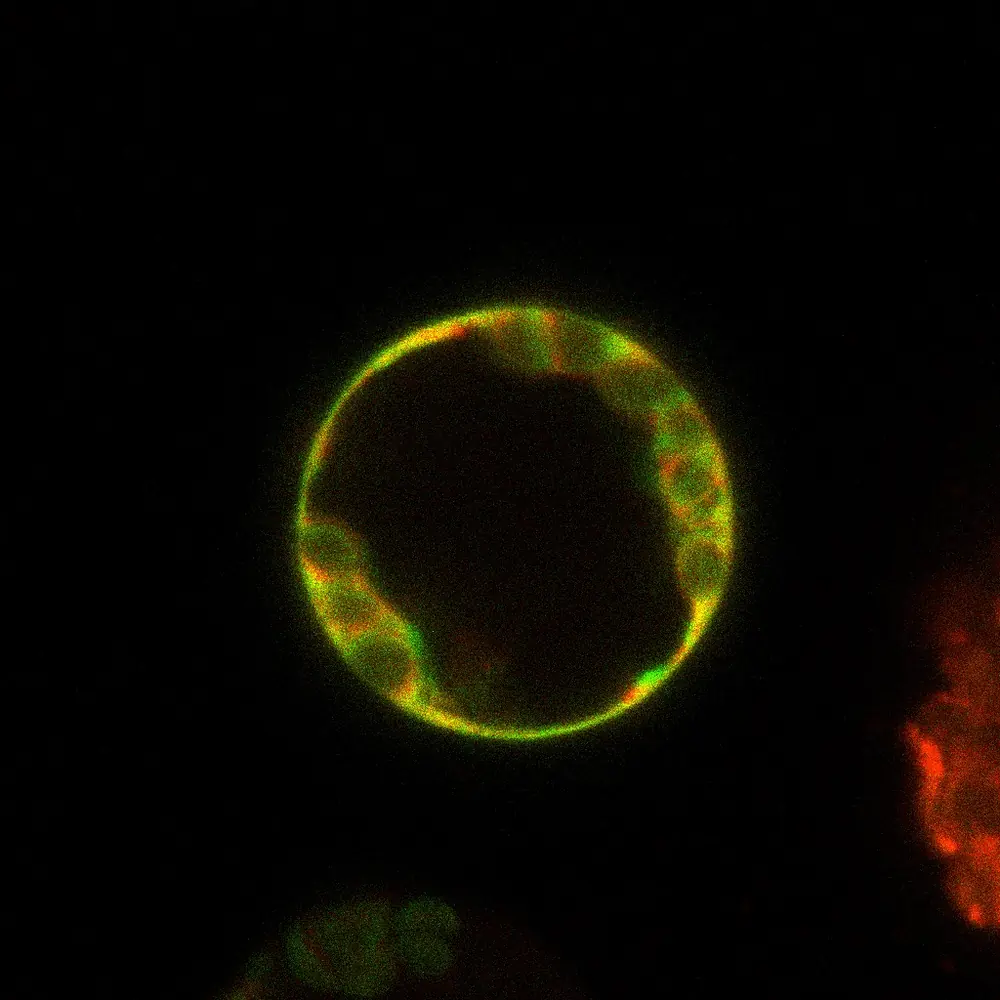
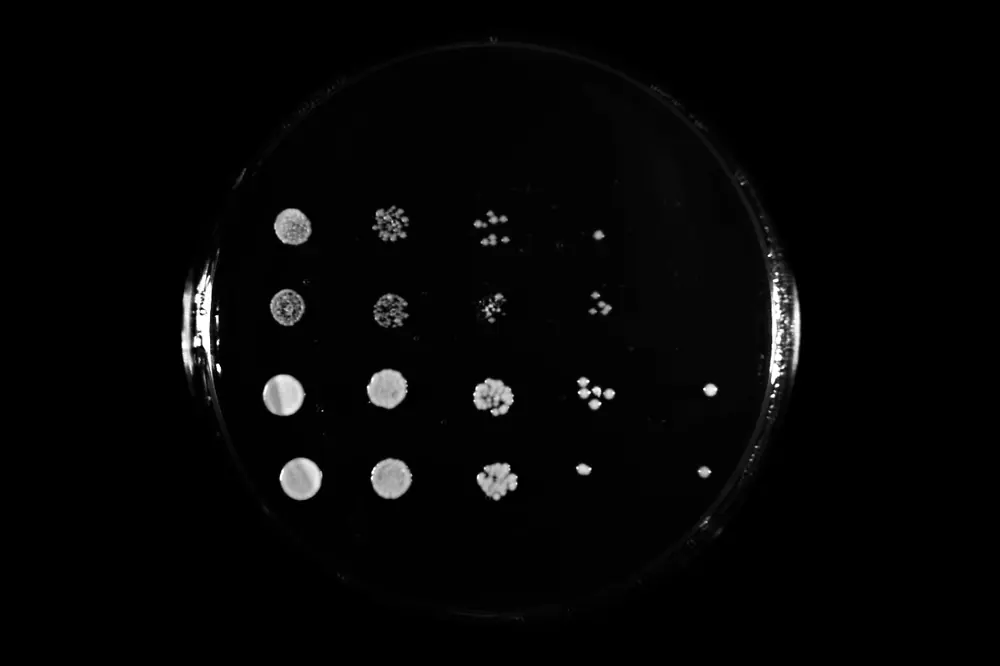
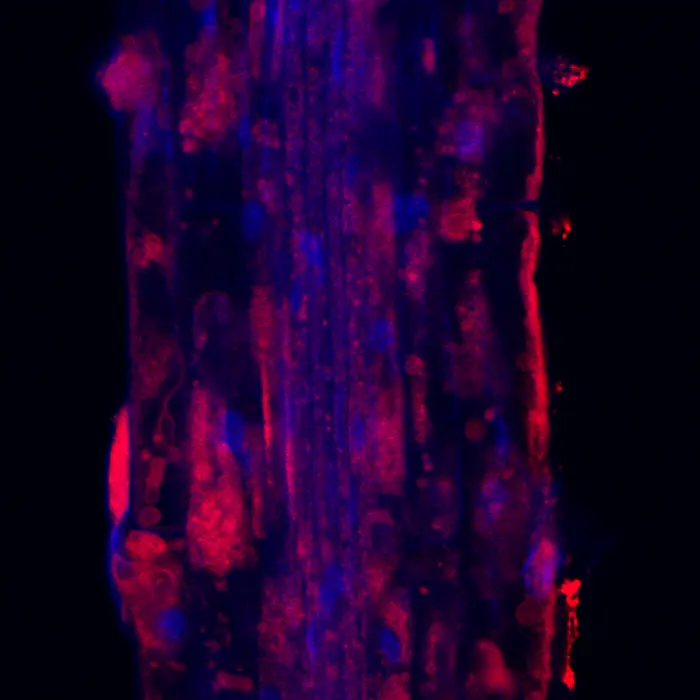
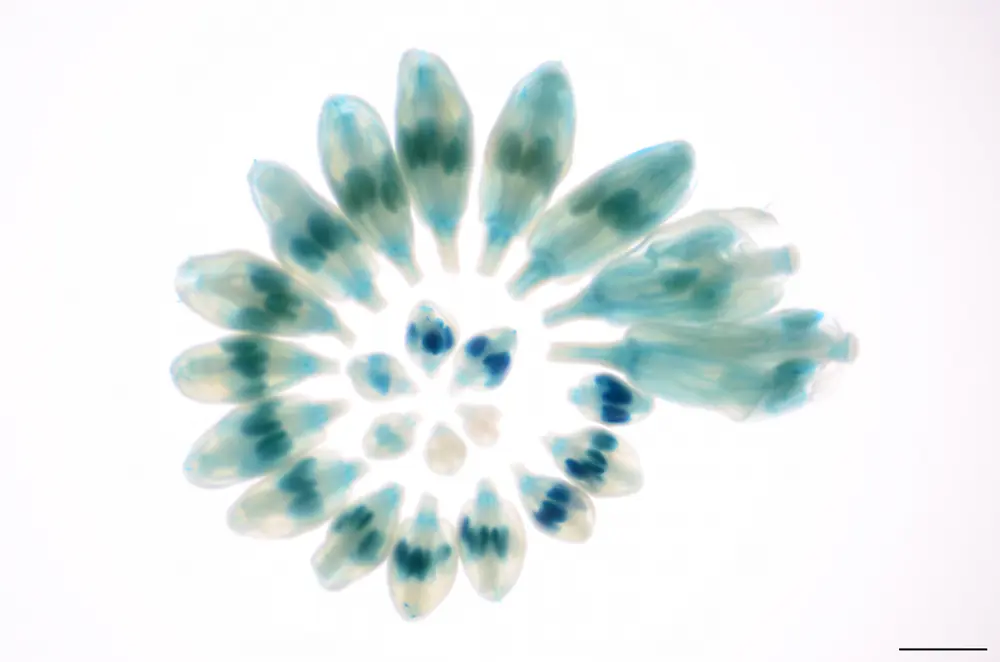
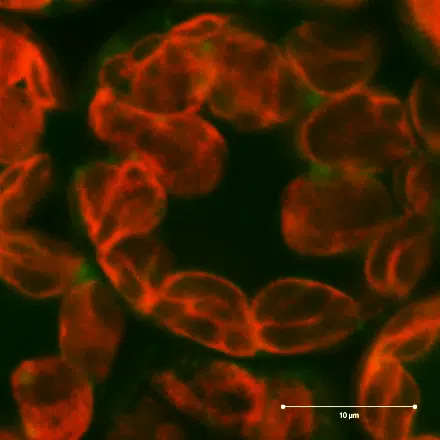
C. merolae cultures with (TM) or without (Mock) tunicamycinRice paddy in the fieldHeart-stage Arabidopsis embryo · AGB1–VEN in agb1-3 · 10 µmC. merolae autofluorescence, light microscopy · 10 µmC. merolae, transmission electron microscopyDeveloping Arabidopsis embryo · 10 µmMature Arabidopsis shootsYoung Arabidopsis seedlings under severe salt stressArabidopsis pistil tip · 10 µmAt the bench: casting a gelArabidopsis seedling: epidermal pavement cells (left) and root transition zone (right)Arabidopsis guard cells · 5 µmER pattern in an Arabidopsis protoplastHeterologous complementation in budding yeastAggregated-protein reporter in Arabidopsis rootDOK1–GUS during Arabidopsis floral developmentChlorophyll autofluorescence in Arabidopsis protoplasts · 10 µm
As the lab grows, group photos, milestones, and everyday moments will appear here.
Research
Research at Cho Lab
The lab aims to understand how proteostasis is coordinated across organelles and developmental contexts to support growth and stress adaptation. I am particularly interested in how translational control, endoplasmic reticulum (ER) stress signaling, and lipid metabolism intersect to regulate cellular decision-making under environmental challenges.
Rather than treating these processes as isolated pathways, my work approaches proteostasis as an integrated, multi-scale system linking ribosome behavior, membrane dynamics, and organismal phenotypes. The lab pairs Arabidopsis thaliana, established for developmental and physiological readouts, with Cyanidioschyzon merolae, a minimal eukaryote whose single-copy organelles offer unmatched resolution for quantitative organelle proteostasis.
Ongoing research themes
1. Translational control and ribosome dynamics under stress
This line of research investigates how translational regulation responds to environmental and developmental cues, with a focus on ribosome stalling, disome formation, and phosphorylation dynamics of ribosomal proteins. By integrating ribosome profiling, phosphoproteomics, and physiological assays, this work aims to connect ribosome behavior with stress adaptation and growth regulation.
2. ER stress signaling and protein quality control under physiological conditions
This project explores endogenous mechanisms of ER stress induction and resolution, including genetic perturbation of dolichol metabolism and proteostasis pathways. A key objective is to dissect ER stress signaling under physiologically relevant conditions, avoiding reliance on chemical inducers such as tunicamycin. The minimal-organelle architecture of C. merolae provides a complementary system for resolving organelle-autonomous responses without the redundancy seen in higher plants.
3. Lipid–proteostasis interactions in organelle homeostasis
This research examines how lipid metabolism and membrane remodeling influence proteostasis across organelles. By combining lipidomics, genetic analysis, and stress assays, this work seeks to clarify how membrane state modulates ER stress signaling and translational control.
Conceptual integration
Together, these themes form a coherent program centered on multi-scale proteostasis. By integrating translational control, ER stress signaling, and lipid metabolism across Arabidopsis and minimal-eukaryote systems, the lab aims to explain how cells maintain functional balance across scales, from ribosomes and membranes to whole-organism growth under stress.
Projects and publications
Project 1
Plant proteostasis and ER stress signaling
Translational control, ER stress, and developmental regulation
Investigates how proteostasis is coordinated across organelles to support plant development and stress adaptation. A central theme is how translational control and protein folding regulation integrate environmental cues with growth decisions.
Conceptual contribution
Establishes proteostasis as a system-level property spanning translation, ER quality control, and developmental regulation, rather than a single stress-response pathway.
Lipid regulation of ER stress and organelle homeostasis
Membrane dynamics, lipid signaling, and stress adaptation
Approaches ER stress and cellular homeostasis from a lipid-centric perspective, examining how membrane composition, lipid-derived signaling, and lipid metabolism shape stress responses.
Conceptual contribution
Reframes ER stress as a process tightly coupled to lipid homeostasis and membrane dynamics, bridging molecular signaling with biophysical constraints.
Protein quality control, glycosylation, and developmental timing
Dolichol metabolism, ER function, and reproductive development
Links core ER biochemical pathways to whole-plant developmental decisions, demonstrating how perturbations in protein processing cascade into organismal phenotypes.
Conceptual contribution
Demonstrates how perturbations in protein processing cascade into organismal phenotypes such as flowering time and reproduction, connecting ER biochemistry to developmental biology.
Earlier collaborations and cross-system contributions
Earlier work on conserved signaling mechanisms and cellular homeostasis across biological systems, including stem cell maintenance and intercellular communication. These contributions inform broader perspectives on cellular regulation but sit outside the current research focus.
From the 2026 fall semester (115-1), Yueh teaches the following courses at National Taiwan University. All are taught entirely in English.
Undergraduate
115-1 · BFN5013 · 2 credits · Elective · Mon 6–7 · Taught in English
Introduction of Protein Homeostasis
Bachelor Program of Biotechnology and Food Nutrition · yr 3–4 · cap 20
A full-English course mapping the proteostasis network — ribosomal translation, molecular chaperones, the ER and secretory pathway, and quality control and degradation at both the ribosome and protein levels — and linking these mechanisms to biomedical and biotechnological applications.
Weekly schedule (16 weeks)
Introduction: what is proteostasis and the proteostasis network
Protein synthesis and the ribosome
Co-translational folding
Molecular chaperones: Hsp70 / Hsp90 / chaperonins
Protein folding, misfolding and aggregation
Translational control and the integrated stress response (eIF2α)
ER and secretory pathway; N-linked glycosylation
Midterm written exam
Unfolded protein response in ER, mitochondria and chloroplast
Midterm exam 35% · Final group presentation 35% · Assignments 20% · Participation 10%
Introduction to Biotechnology · BFN1001 · Required · Bachelor Program of Biotechnology and Food Nutrition
Graduate
115-1 · BIOT7035 · 3 credits · Elective · Wed 2–4 · Taught in English
Plant Physiology and Stress Responses
Institute of Biotechnology
A systematic introduction to plant physiology and stress biology: water and nutrient relations, photosynthesis and respiration, hormonal signaling and development, then how plants perceive and respond to drought, salinity, temperature, oxidative and biotic stress — with critical reading of the literature and an introduction to physiological and omics methods.
Oxidative & other abiotic stresses (ROS, hypoxia, heavy metals)
Biotic stress & plant immunity (PTI / ETI, SAR)
Research methods & integration: physiology and omics
Final oral presentation
Assessment
Midterm literature review 35% · Final oral presentation 35% · Assignments 20% · Attendance 10%
Biotechnology Core Techniques · BFN5007 · Required · Co-taught · Fri 2–9 · Institute of Biotechnology
Selected Topics in Advanced Biotechnology · Biot8020 · Elective · Institute of Biotechnology
Course outlines and weekly schedules will be added as each course is finalized.
Outreach
Community service and science communication
Beyond peer-reviewed research, Yueh contributes to plant biology community-building through editorial service, science writing, and early-career mentoring.
Research network and open collaborations
The lab welcomes interdisciplinary partners across computational biology (Ribo-seq, splicing, proteostasis dynamics), structural and biophysical biology (ribosomes, UPR sensors, membrane proteins), lipid biochemistry, algal and minimal-eukaryote systems (C. merolae), crop science and agricultural translation, and AI for biology. Researchers and students interested in any of these areas are welcome to reach out: yuehcho@ntu.edu.tw.
Reviewer for: New Phytologist · The Plant Cell · Plant Physiology · The Plant Journal · Journal of Experimental Botany · Frontiers in Plant Science · Frontiers in Genetics · PLoS Genetics
Full lists of Plantae research highlights (14+ articles in 2024) and preprint highlights available via Plantae and PreLights.
Get in touch
One place for everything
For prospective students
The lab welcomes motivated undergraduate and master's students interested in plant proteostasis, ER stress signaling, translational control, or stress lipidomics. To inquire, email Dr. Yueh Cho at yuehcho@ntu.edu.tw with your CV and a brief statement of research interests.
Master's Student
Through the Institute of Biotechnology, NTU (recommendation route in autumn, examination route in spring). Funding and stipends supported by faculty grants. Email before applying to discuss research fit.
Undergraduate Research
Open to NTU undergraduates, especially from the Bachelor Program of Biotechnology and Food Nutrition. Projects available through independent study (專題研究), college-supported research fellowships, or summer research. Email with your CV or transcript.
Contact details
Email
yuehcho@ntu.edu.tw
X
@RyanYuehCho
LinkedIn
yueh-cho-22118541b
Affiliation
Institute of Biotechnology, NTU from July 2026 (currently IPMB, Academia Sinica)
ORCID
0000-0002-1850-2602
Lab location
Institute of Biotechnology, National Taiwan University from July 2026 Room 408, 4F, No. 81, Chang-Xing St., Da'an District, Taipei 106, Taiwan
MRT: ~10 min walk from Technology Building station (科技大樓) on the Brown Line.